Two Songs, Big Momentum

Discover the power of Two-Song Workouts and Flows—focused, music-driven micro-sessions that fit even the busiest schedule. In just two tracks you will warm up, challenge strength or stamina, and land calm, using tempo, breath, and intention to make consistency feel thrilling. Today we dive into Two-Song Workouts and Flows so you can start strong, finish smiling, and return tomorrow eager for another compact, energizing win.

Why Two Songs Are Enough

Boundaries breed creativity. Two songs give you a crisp container that sharpens focus, tames procrastination, and rewards completion with an uplifting musical finish. This format leverages the goal-gradient effect, where nearing the final chorus boosts effort, and captures the motivational jolt of favorite tracks without the decision fatigue of longer, open-ended sessions. You’ll build consistency, experiment safely, and stack small victories that compound into real fitness change.

The Science of Short Bursts

Micro-workouts and interval training show measurable benefits for cardiovascular fitness, mood, and metabolic health, even when sessions are brief but repeatable. Two-song windows harness intensity and recovery naturally embedded in music, reduce cognitive friction, and encourage daily adherence. Think of it as minimum effective dose training: reliable, enjoyable, and adaptable, where the promise of a quick win pulls you off the couch and into motion with surprising reliability.

Tempo, BPM, and Perceived Effort

Music around 120–140 BPM often aligns with moderate to vigorous movement, helping you pace squats, swings, or steady flow. Faster tracks can nudge intensity; slower grooves support mobility or breath work. Matching movement to BPM reduces internal negotiation and improves rhythm, while alternating energies across two songs builds satisfying contrast. This simple alignment turns minutes into momentum, anchoring effort to a beat your body instinctively understands.

The Psychology of Completion

Starting is easier when the finish line is near. Two tracks supply a visible end, transforming dread into doable action and channeling willpower into immediate movement. Finishing strengthens identity: you become someone who follows through, even on chaotic days. That identity shift fuels tomorrow’s start. Over time, short, positive experiences rewrite the internal narrative, replacing perfectionism with progress and building trust that small sessions actually deliver meaningful results.

Soundtrack Architecture

Curate two tracks like a tiny journey: a primer that lifts you into motion, then a driver that carries the peak or releases tension. Consider BPM, key, lyrical tone, and emotional arc. Some days you need gritty grit; other days, shimmering ease. Let transitions feel like a handoff between phases, each song speaking a clear role. Intentional sequencing transforms minutes into immersion, turning routine reps into a compelling personal score.
Pick 100–115 BPM for mobility, breath-led flow, and technical drills; shift to 120–140 BPM for steady conditioning or tempo strength; reserve 150+ BPM for short surges, finishers, or shadow boxing. Shuffle thoughtfully, not randomly. Maintain a consistent downbeat your body recognizes, and notice how certain tempos invite cleaner form. Write a few dependable pairs by BPM, so choosing what to play becomes effortless when energy or time runs short.
A smooth crossfade prevents awkward pauses and keeps intention intact. Songs sharing related keys or complementary energy curves make the handoff feel inevitable, like a second wind emerging right on cue. Try a moody opener that builds confidence, then a bright driver that asks for crisp execution. If you prefer decompression, reverse it: intensity first, then restorative release. Thoughtful transitions keep you present, minimizing clock-watching and maximizing embodied, rhythmic focus.
Vocals can motivate, yet they also command attention. If you lose form when singing along, choose instrumentals for technical sets and big choruses for finishers. Some lifters anchor breathing to drum patterns; many yogis prefer textural pads. Rotate choices with your day’s purpose. If lyrics spark joy, harness them where it helps; if they distract, shift to beats and textures. Let attention steer selection, not algorithmic novelty or habit alone.

Plug-and-Play Routines

Here are adaptable, repeatable templates that fit comfortably into two songs. Each uses a simple arc—prime, express, land—without rushing. Choose sets that match your equipment and space, then let the music cue transitions. The goal is frictionless action, not perfect periodization. You will notice technique improving as repetition meets rhythm, and you can scale intensity by adjusting tempo, reps per chorus, and movement complexity, all within this compact, confidence-building container.

Form First, Always

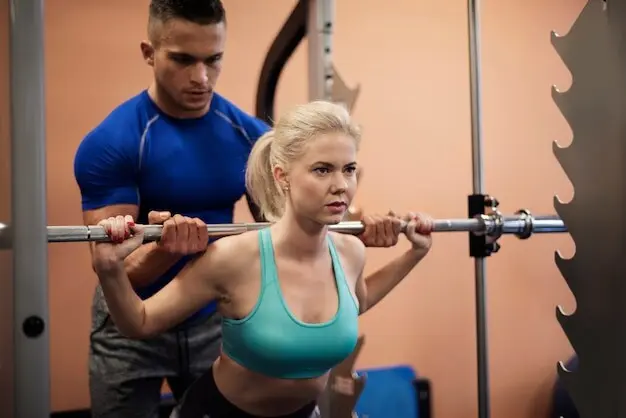
A tiny session succeeds only if movement quality stays high. Treat songs as coaches: let the beat pace your eccentrics, hold bracing during pre-chorus builds, and reserve big efforts for crescendos. Choose loads you can control cleanly, and never chase intensity at the expense of safe mechanics. Two-song formats are forgiving, but sloppy reps teach unhelpful patterns. Breathe deliberately, respect ranges, and let precise technique earn your progress without unnecessary strain.

Make It a Daily Rhythm

Consistency grows from context, not willpower alone. Pair your two-song session with anchors you already do: starting coffee, ending meetings, stepping outside with sunlight. Keep a tiny equipment kit visible. Preload playlists where you cannot overthink. Track streaks publicly or privately, and celebrate tiny returns after messy days. Let identity lead: you are someone who moves for two songs. One honest repeatable behavior outperforms elaborate plans saved for perfect tomorrows.

Habit Stacking and Triggers

Choose a reliable anchor—wake alarm, lunch break, or shutdown ritual—and tie your session directly after it. Press play before negotiating with yourself. Keep friction microscopic: water nearby, space cleared, shoes optional if safe. When a day derails, do an ultra-light mobility pair and still claim the win. Repeat until the association is automatic. The point is not heroics; the point is showing up so often that momentum becomes obvious.

Windows That Work

Mornings favor gentle strength and breath-led flow, building poise for the day. Midday pairs thrive with brisk conditioning to refresh focus without draining reserves. Evenings suit decompression or structural work that improves sleep quality. Rotate windows with your life season, not fixed rules. Keep a fallback playlist ready for unpredictable days. When options feel friendly, adherence improves, and two songs reliably shift your physiology, mood, and confidence in under eight minutes.

Join the Two-Song Movement

Let’s build together. Start a fourteen-day streak and share your favorite pairs, BPM wins, and playful failures. Ask questions, request custom templates, and trade sets that helped on tough mornings. We will feature creative combinations, highlight member stories, and refine cues as a community. Comment with today’s two tracks and how they felt in your body. Your experiments guide future posts, playlists, and flows so everyone benefits from collective curiosity and experience.

Your 14-Day Kickoff

Pick two strength pairs, two conditioning pairs, and two mobility pairs. Cycle them without perfectionism. Record a single sentence after each session describing breath, energy, and one technical note. On days you resist, do the shortest mobility option and count it. Post questions, wins, or plateaus. After two weeks, reassess favorite tempos, movements, and song roles, then keep one pair as your emergency go-to for hectic or low-motivation days.

Share Your Setlists

Drop your two-song combinations, including BPM notes and when you use them—morning, midday, or evening. Tell us how the transition lands and what movements pair beautifully with each chorus. The little specifics help everyone learn faster. We will compile community favorites, credit contributors, and test novel sequences on real schedules. Your playlist might become someone else’s lifeline on a difficult day, transforming five spare minutes into ease, pride, and renewed momentum.

Veltodavokaro
Privacy Overview

This website uses cookies so that we can provide you with the best user experience possible. Cookie information is stored in your browser and performs functions such as recognising you when you return to our website and helping our team to understand which sections of the website you find most interesting and useful.